How Does the Mother's Diet in Pregnancy Affect the Fetus?
On Genetics and Epigenetics
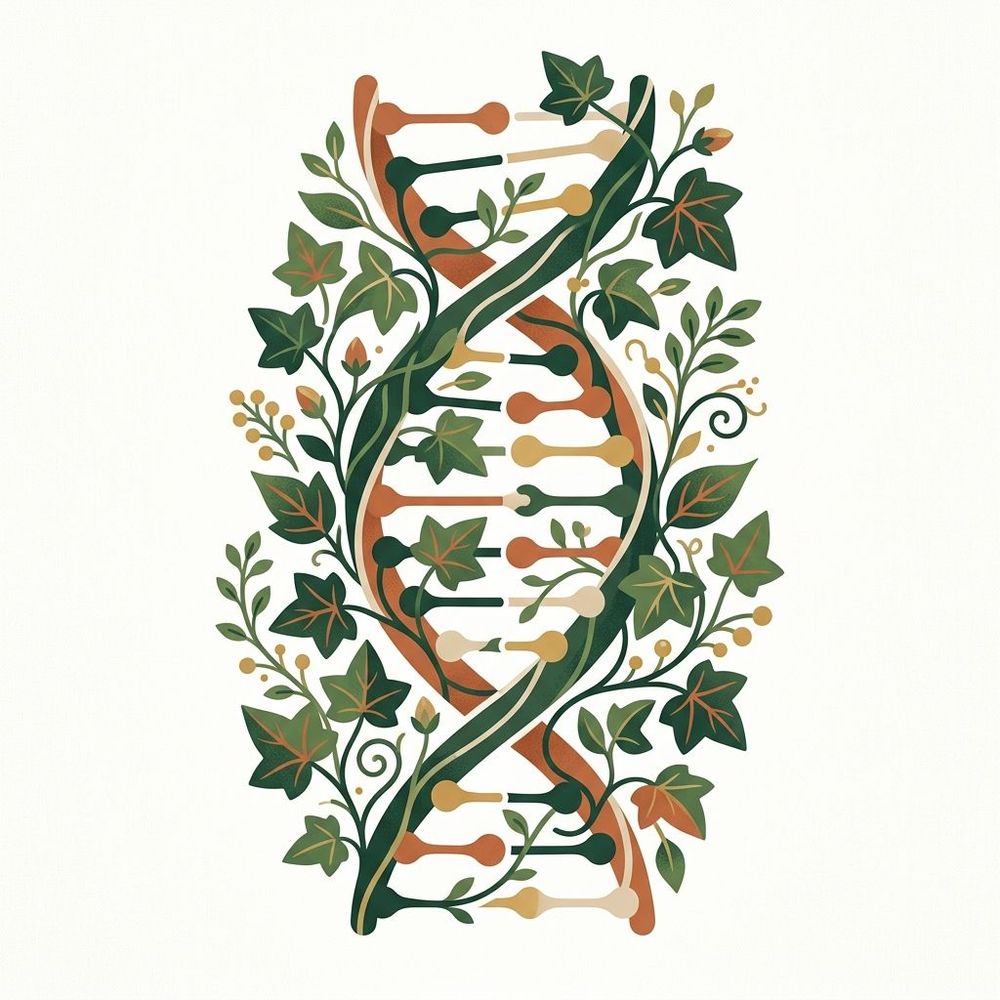
This is epigenetics, which translates from Greek as 'in addition to genetics'. Epigenetics essentially describes the control of gene expression without altering the DNA sequence. This field of research describes the impact of diet and environment on the expression of the genes we are born with. A good and balanced diet will 'turn off' less favorable genes that cause various disease states and allow 'good' genes to function uninterrupted, thereby positively influencing health throughout life.
Food Decides Destiny: Worker or Queen?
A wonderful example illustrating the importance of food in the early stages of life comes from the bee kingdom. All the eggs laid by the queen contain the exact same DNA sequence. Most eggs develop into worker bees and only a few develop into queens, despite having identical genetics. How does this happen? In bees as well, the food a larva receives determines its destiny. There are differences between worker jelly and royal jelly. The special food received by the larvae destined to become queens contains specific proteins and vitamins that alter gene expression to ensure they develop into queens.
And What Happens in Our Womb?
The conditions we were exposed to in the womb will determine our susceptibility to diseases, our appetite, our metabolic rate, and the illnesses we will develop in the future. The information reaching the fetus in the womb prepares it to handle and survive external conditions. For instance, if the fetus receives signals that external conditions are harsh and food is scarce, it will develop in a way that gives it the best tools to survive scarcity. But if it is programmed to survive scarcity and actually lives its adult life in an environment of abundance, it is mismatched to that environment, leading to obesity, diabetes, hypertension, and heart disease.
Pregnant women often come to me for consultation, highly anxious about gaining weight during pregnancy and restricting themselves to a limited and sparse diet. They are certain that in any situation, 'the baby will get what they need'. Is that really so? The fetus will likely pay a heavy price for a poor diet during pregnancy, as it will be programmed to survive in a world of scarcity while actually being born into a world of food abundance. This mismatch can be a significant factor in the development of obesity, hypertension, type 2 diabetes, and cardiovascular diseases in adulthood.
So How Do We Know This Is True? After All, We Don't Conduct Starvation Experiments on Pregnant Women!
Very true, such experiments cannot be done, but unfortunately, reality provided the proof. During World War II, data began to be collected in the Netherlands about babies whose mothers suffered from famine. They received 1000 kcal per day, and sometimes as low as 500 kcal per day, for a six-month period between November 1944 and April 1945. The babies were born at low birth weights and over the years developed type 2 diabetes, cardiovascular diseases, breast cancer, and more. The incidence of heart disease among the offspring of starved mothers was twice (!) that of offspring born to non-starved mothers.
Another amazing finding was: even the grandchildren and great-grandchildren were born with low birth weights. That is, the mother's diet actually affects gene expression in the egg and sperm cells of her children—affecting gene expression in her grandchildren as well. It is important to note that not only food deprivation harms the fetus, but obesity and overeating were also found to be harmful. Maternal obesity increases the offspring's risk of obesity and type 2 diabetes in adulthood. Women who prefer to eat calorie-dense 'junk food' high in saturated fat and sugar, and low in vitamins and minerals during and even shortly before pregnancy, risk giving birth to children with an increased likelihood of being overweight and developing type 2 diabetes later in life.
So What Can We Actually Do?
Utilize the window of opportunity to influence the health of our children and future generations in a beneficial and positive way.
The critical period during which food and environment have a fateful impact on turning genes on and off to determine the destiny of our offspring is during pregnancy, particularly the first trimester, as well as the first period of life immediately after birth. This is a rare, non-recurring window of opportunity.
It is advisable to prepare for pregnancy in advance: preparing the body with a good, balanced diet, taking folic acid, quitting smoking, maintaining good physical fitness, and, of course, maintaining a healthy body weight.
It is important to check vitamin B12 levels before pregnancy to supplement any deficiencies if necessary. It is crucial to know that vegetarian and vegan women can be prone to B12 deficiency.
The exact date of conception is usually unknown to us, which is why it is best to prepare the body beforehand, as epigenetic changes occur in the very early stages of pregnancy, even before we actually discover that we are pregnant.
Pregnancy is not a time for extreme dieting and weight loss. On the other hand, you are not supposed to eat 'for two' and gain 30 kg!
So What Should You Eat?
Studies have found that a traditional Mediterranean menu is rich in substances that can assist in activating 'positive' genes and silencing 'negative' genes. A Mediterranean menu contains plenty of vegetables and fruits, whole grains and legumes, seeds, nuts, olive oil, fish, dairy products like yogurt, and meat and chicken consumed in moderate amounts. What a healthy menu should contain:
- Fruits and plenty of vegetables of all colors.
- Whole wheat bread and whole grains like brown rice, oats, rye, or buckwheat.
- Legumes such as lentils, chickpeas, dry beans, peas, and more.
- Lean meat, chicken, fish, eggs, low-fat dairy products.
- Healthy fats: Olive oil, tahini, avocado, almonds, walnuts, and seeds.
It is recommended to consult a clinical dietitian who will help assemble a personalized menu tailored to your needs and preferences, and can recommend nutritional supplements of vitamins and minerals as needed. In conclusion, the good news is that there is a window of opportunity during pregnancy where, with a healthy and suitable diet, it is possible to prevent to some degree illness and suffering in future generations.