Nutritional Treatment for Fatty Liver
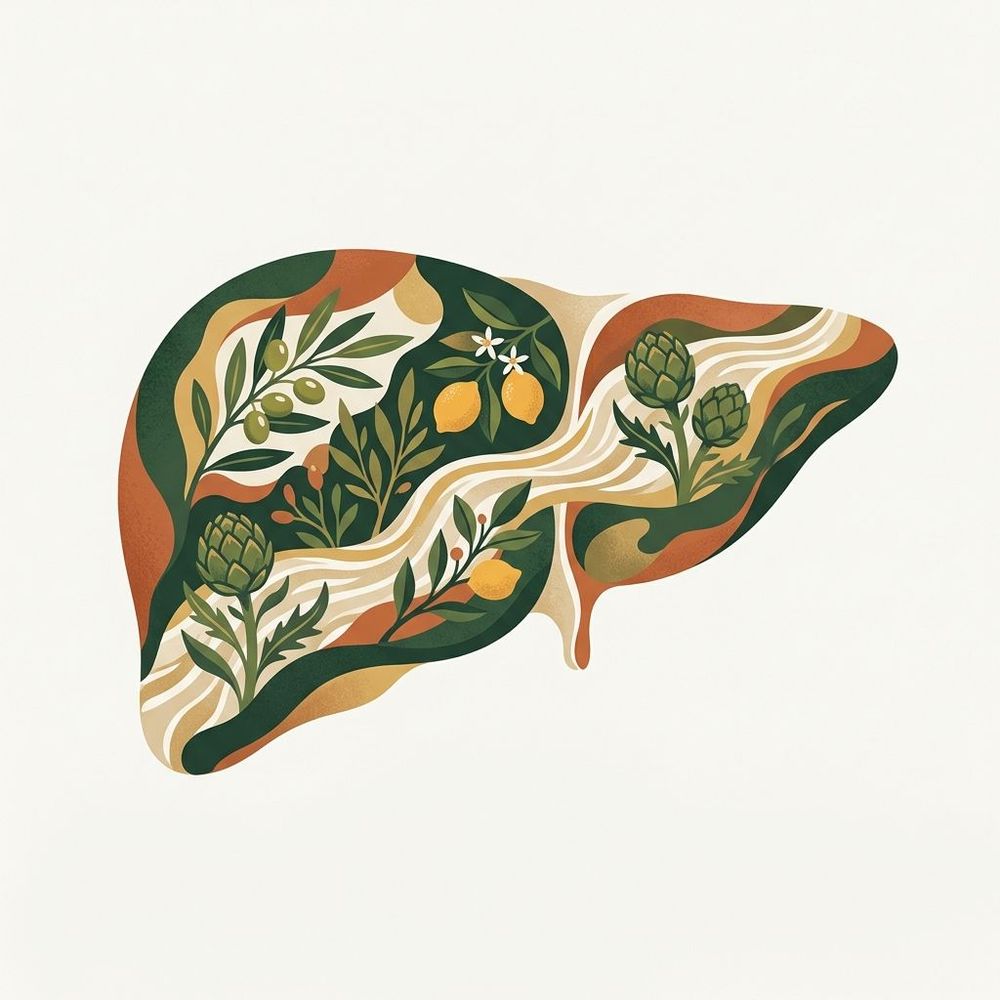
Are you familiar with the popular French delicacy foie gras, made from goose liver? The literal translation of foie gras in French is 'fat liver'. It originates from geese that were force-fed large amounts of food until their livers became enlarged and fatty.
We too tend to fatten ourselves with food high in sugar and fat, causing our liver to become fat and diseased.
Fatty liver disease is the next global epidemic. Fat that accumulates in the liver can cause scarring of the liver tissue and eventually lead to cirrhosis, liver cancer, and death.
Fat and sugar, which are abundant in the Western diet and in fast, processed food, are the main problem. However, fats do not all have the same effect. Excessive consumption of animal fat and cholesterol, along with insufficient intake of plant fats, fibers, and antioxidants, increases the occurrence of fatty liver.
A Mediterranean diet, characterized by the consumption of foods like vegetables, fruits, whole grains, legumes, fish, olive oil, walnuts, and almonds, is linked to the prevention of fatty liver.
A Mediterranean diet is also characterized by a large amount of antioxidants in purple, red, and blue colors from foods like grapes, berries, red cabbage, red onion, beetroot, and more. It is possible that these foods prevent fatty liver and inflammatory and morbid conditions in the liver.
A plant-based diet improves the composition of beneficial gut bacteria, thereby reducing instances of fatty liver.
A mere 3% reduction in weight is enough to improve fatty liver condition by 33%. A 10% weight loss will improve fatty liver condition by 70%.
The solution for a fatty liver is nutritional. Making a dietary shift to a healthy Mediterranean diet low in sugar, cholesterol, and animal fat, along with weight loss, physical activity, and two cups of coffee for dessert, can resolve the issue and even prevent its occurrence.