It's All in the Mind - How to Change Habits
It's All in the Mind!
How we can successfully change old habits - simple steps for brain training to modify habits.
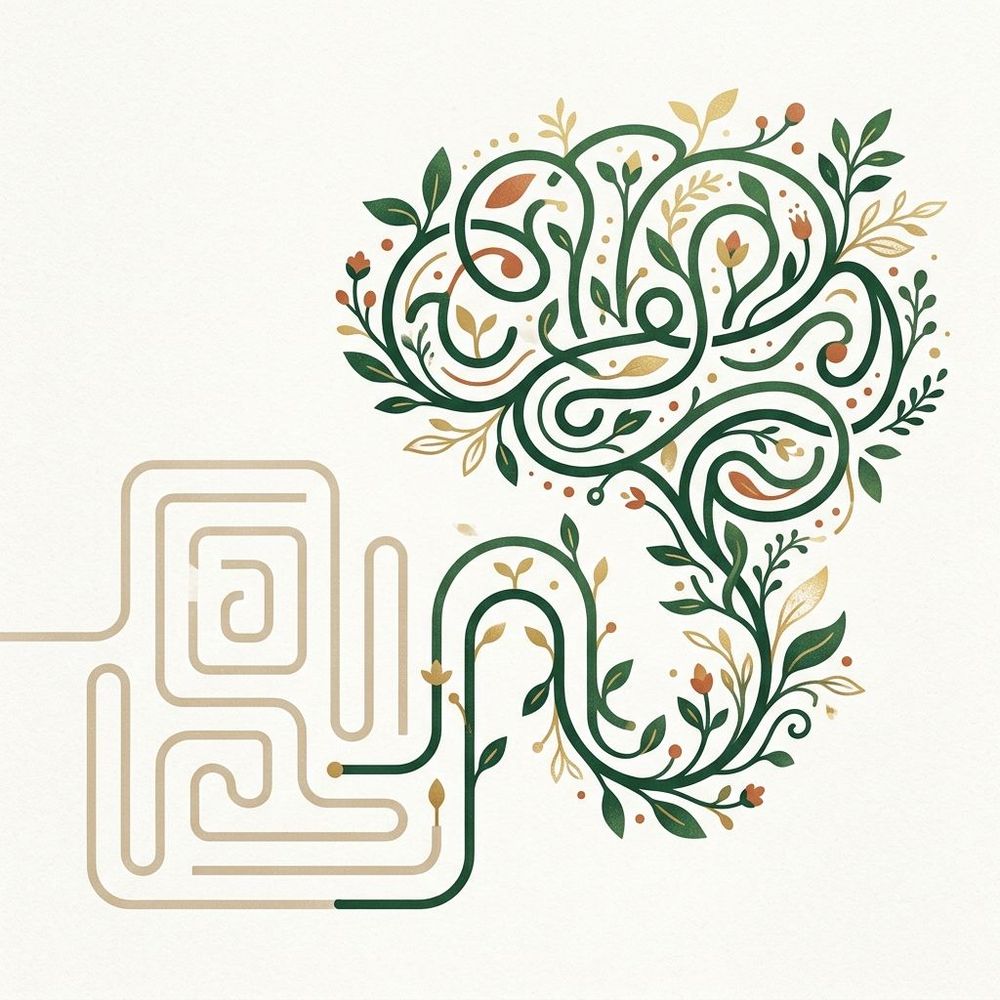
Every habit change involves a change in the brain, more precisely, in the neural pathways.
Neurons in our brain create neural pathways that transmit information and instructions. The more we use these pathways, the stronger and more solid the habit becomes—like a plow carving a furrow back and forth, deeper and deeper.
For example, a habit like eating comfort foods repeatedly over a long period will create a pathway in the brain that routes us to use food whenever we need comfort. This is how a habit is formed.
The good news is that the brain is constantly changing, so it is easy for us to create new neural pathways and adopt new habits—if we wish to do so, of course.
Our plastic brain allows for this, meaning any change we desire is absolutely possible, and the sky is the limit.
Each of us has the potential to learn new behaviors and completely transform our lives.
As the saying goes, 'Where there's a will, there's a way!'
So, how do we do it?
- Identify the habit you want to change and set your intention. Create internal motivation for change and examine what you will gain from it.
- Examine the impact of your old habits on you: observe the emotions, thoughts, and bodily sensations in response to the habit. Try to visualize the change you wish to achieve. What happens? What changes in your emotions, thoughts, and body? How does the change feel, and what does it look like? How does it affect your life?
- Pay attention to what you choose to focus on. Whatever we focus on grows and strengthens, so do not focus on the old habit, but on the new one.
- Reinforce new habits using your imagination: visualize yourself acting according to the new habit you want to establish. Do this while showering, driving, walking, or before sleep.
The more you repeat this, the more new pathways will form in the brain, grounding the new habit and making it automatic. Slowly, the old habit's pathway will fade and may disappear completely. - Be mindful of your thought patterns. When you notice yourself slipping into old, self-sabotaging thought patterns, do not let those thoughts take over and dictate your behavior.
They are only thoughts! Challenge them, question them. Not every thought is worth believing. - Try distraction. Every time a trigger or temptation arises, occupy yourself with something that distracts you from it.
- Set a clear and specific goal that you want to reach. The brain will know how to create neural pathways that lead you to that goal.
- Do not fear obstacles; learn from them. Let go of guilt—guilt is the most fattening part of the process! Learn from slip-ups, forgive yourself, and move forward.
- Seek support and inspiration. For example, meditation is an excellent tool that helps pave new neural pathways in the brain. Use it.
- Believe in yourself. Once you are ready for change, it will be easier to execute it and pave new pathways in the brain. If you believe you can, you will succeed.