Foods That Can Assist with Fertility Issues - My Article Published on YNET
https://www.ynet.co.il/articles/0,7340,L-4839213,00.html
According to statistics, about 10% of the population will experience difficulty conceiving. There are many causes of fertility issues. Some problems require various treatments, such as surgical procedures, hormonal therapies, and more. In some cases, the causes of fertility issues are entirely in our control.
Weight and Fertility
Overweight and nutrition significantly affect the ability to achieve pregnancy. Even couples undergoing IVF treatments can certainly improve their chances of pregnancy through eating habits, exercise, and a healthy lifestyle.
In preparation for pregnancy, it is important to strive for a healthy body weight. Being overweight or obese reduces the chances of conceiving due to disruption of the normal ovulation process. It is important to note that underweight women are also likely to experience issues with ovulation and their menstrual cycle, due to a lack of fat tissue, which is very important for the hormonal processes related to ovulation.
Data indicates that about 30% of infertility cases are related to weight issues—both overweight and underweight. A large study found that the optimal weight range for fertility lies in the BMI range of 18.5-24.
In women who are overweight or obese, a weight loss of 5%-10% is sometimes sufficient to improve ovulation processes and achieve pregnancy. In women who are underweight (BMI less than 19), we often see irregular cycles and sometimes a lack of ovulation.
If weight loss is needed before conceiving, it is crucial to avoid extreme diets, and consulting a registered clinical dietitian is highly recommended.
Women of normal or low weight who exercise intensively for 5 hours or more per week may suffer from a lack of ovulation and fertility issues.
Maintaining a healthy weight is also important for male fertility. Obesity can alter testosterone and other hormone levels, impairing sperm count and motility. In addition to body weight, there are other nutritional factors that affect male fertility.
Iron Deficiency and Fertility
It is estimated that about a quarter of the world's population suffers from iron deficiency. In Israel too, many women suffer from iron deficiency.
According to data collected in the large Nurses' Health Study in the US, which included 18,544 nurses of childbearing age who attempted to conceive, 25% of infertility cases stemmed from ovulation disorders. According to this study, iron from plant sources and supplements likely lowered the risk of ovulation disorders.
Iron deficiency can be addressed by consuming the following foods: legumes, whole sesame tahini, seeds, nuts and almonds, leafy greens, whole grains, and iron-fortified cereals. To improve iron absorption from these foods, it is recommended to eat them with food rich in vitamin C—citrus fruits, red bell peppers, kiwi, strawberries.
What is the Fertility Diet?
Following the Nurses' Health Study, Harvard University researchers published dietary recommendations to improve fertility. It was found that women with ovulation and fertility issues who adhered to the principles of the 'Fertility Diet' had a 66% lower risk of ovulation disorders compared to the group of women who did not adhere to it.
Even in women whose fertility issues did not stem from ovulation disorders, a 27% reduction in the risk of infertility was observed after adhering to the 'Fertility Diet'.
Dietary Principles:
- Less trans fat: A type of fat found in snacks, commercial baked goods, French fries, and various types of margarine. It is important to limit trans fat intake to up to 4 grams per day. Information regarding trans fat content can be found in the nutritional labeling table on the product packaging.
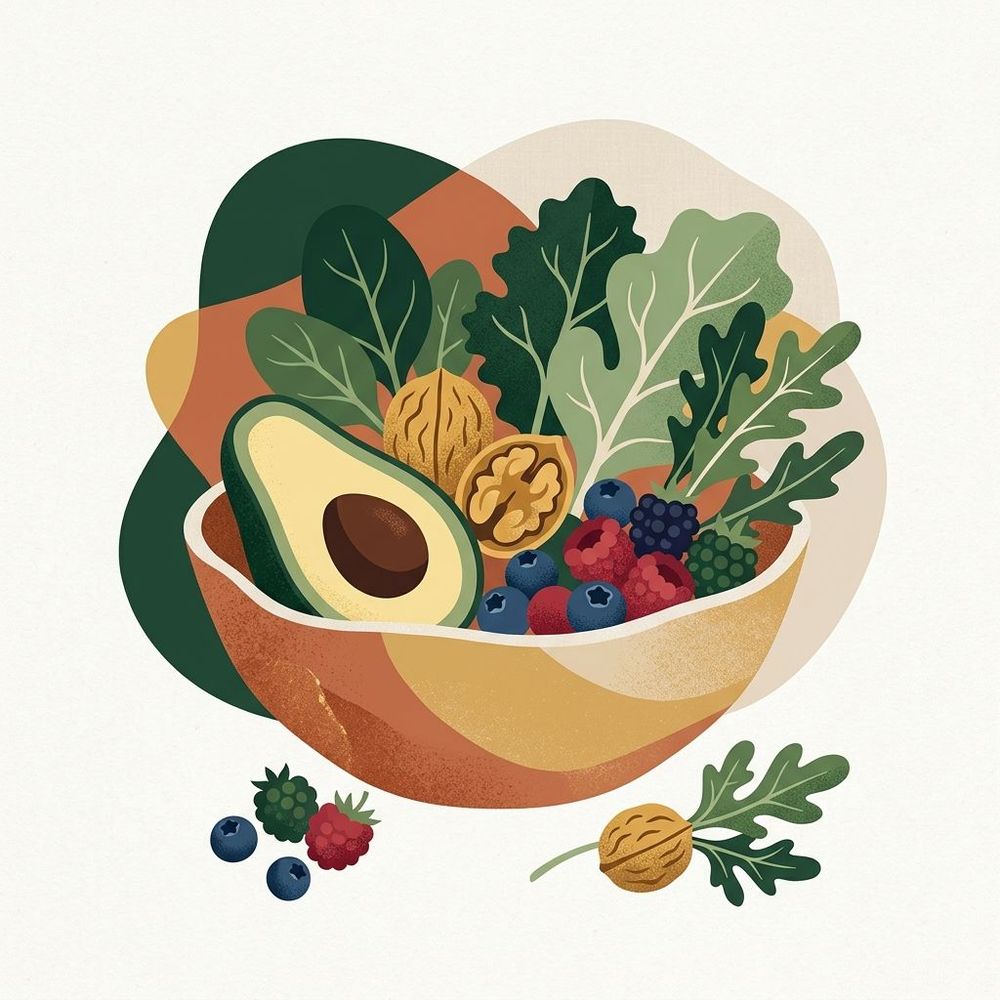
- More healthy fat: Olive oil, tahini, avocado, walnuts, almonds, and omega-3 from marine fish.
- More plant-based protein and less animal protein: It is recommended to consume legumes, tofu, soy protein, and nuts, and less meat.
- Fiber-rich complex carbohydrates with a low glycemic index: More whole grains and legumes, fewer sugars, juices, sugar-laden soft drinks, white flour, and polished grains.
- Full-fat dairy products: Surprisingly, it was found that women who consumed low-fat dairy products suffered more from fertility issues compared to women who consumed full-fat dairy products and even ice cream. Of course, it is sufficient to consume 1-2 servings of full-fat dairy products a day and not beyond that; as for ice cream, this refers to half a cup of dairy ice cream that is not low-fat.
- Iron from plant sources or supplements and multivitamins: Intake as needed and following dietary consultation.
For all women planning pregnancy, it is important to consume 400 mcg of folic acid daily for 3 months before conceiving and during the first trimester. This is to prevent congenital defects in the nervous system and spine.
In women undergoing IVF treatments, it was observed that it is recommended to consume 800 mcg per day during treatments and during the pregnancy itself.
And What About Male Fertility?
It has been found that 30% of fertility issues are related to the male side. In most cases, these are issues with sperm count, morphology, and motility. Diet can certainly affect sperm health. It is important to eat according to the principles of wise and healthy nutrition.
Recommendations:
- Eat plenty of vegetables of all colors, about 4-5 servings a day, plus another 2-3 servings of fruit—these foods are rich in antioxidants, which are important for sperm cell health.
- Eat primarily whole grains.
- Consume low-fat dairy products.
- Less red meat.
- More fish, chicken breast, turkey, legumes, and nuts.
- Fewer fried foods, snacks, and greasy pastries.
- More olive oil, walnuts, almonds, avocado, and tahini.
- Maintaining a healthy weight.
- Moderate physical activity—30 minutes, 5 days a week. Important note! Intensive bicycle riding—more than 5 hours a week—may impair male fertility.
- Less alcohol and smoking cessation—always recommended.